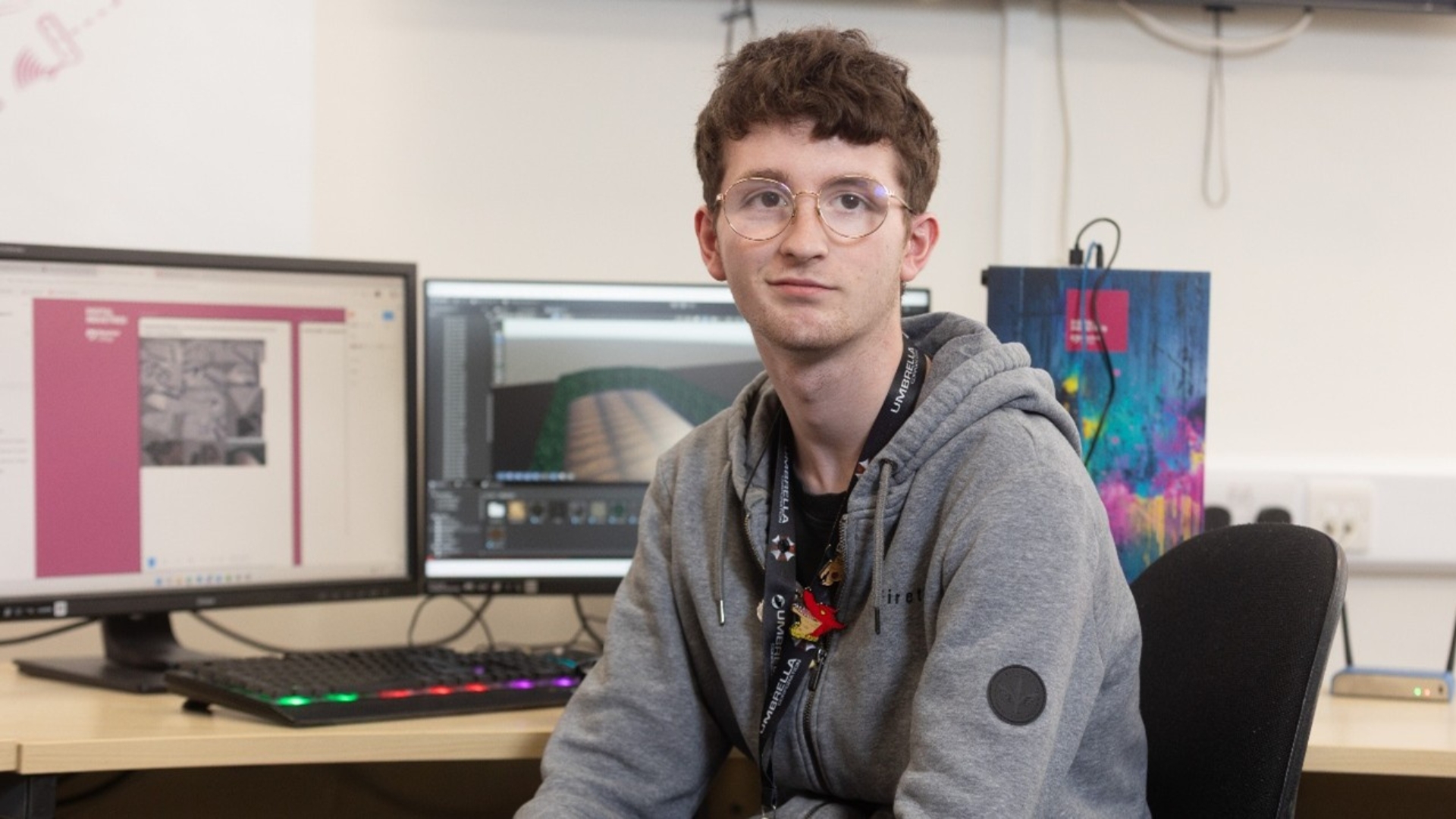
Selby College has developed a brand-new suite of gaming and website development courses, designed to equip aspiring creators with the skills, experience and confidence to thrive in the rapidly growing games industry.
The Level 2 Creative Media Production & Technology (Games & Web Development) and the Level 3 Creative Media Production & Technology (Game Development) programmes offer students a hands-on, immersive journey into game and website creation, blending technical training with creative exploration. From mastering core game design principles to developing fully functional websites, learners will gain practical insights into how modern games and websites are built, tested and published.
Ideal for learners taking their first steps into digital creation, this Level 2 programme equips students with foundational skills in game design, web design, programming, UX, animation, and interactive media. The course blends creativity with technical training and is taught through engaging, project‑based units, including developing original games using industry‑standard tools such as the Unity engine.
Whereas the Level 3 course is a deep dive into modern game development, guiding students through every stage of creating playable, publishable games. From mastering gameplay mechanics through programming to exploring platform‑specific publishing processes, learners gain real-world skills using industry-standard software.
Rob Charlish, Head of Digital Industries and Computing at Selby College, which is part of the Heart of Yorkshire Education Group, said:
“The global games industry continues to expand at remarkable speed, creating a surge in demand for skilled developers, designers and digital artists. That is why we have created our new gaming and web development programmes, which will empower students to stop simply playing games – and to start creating them. Through real-world projects and direct support from industry professionals, students will gain the knowledge and experience needed to turn their ideas into polished, playable realities.”
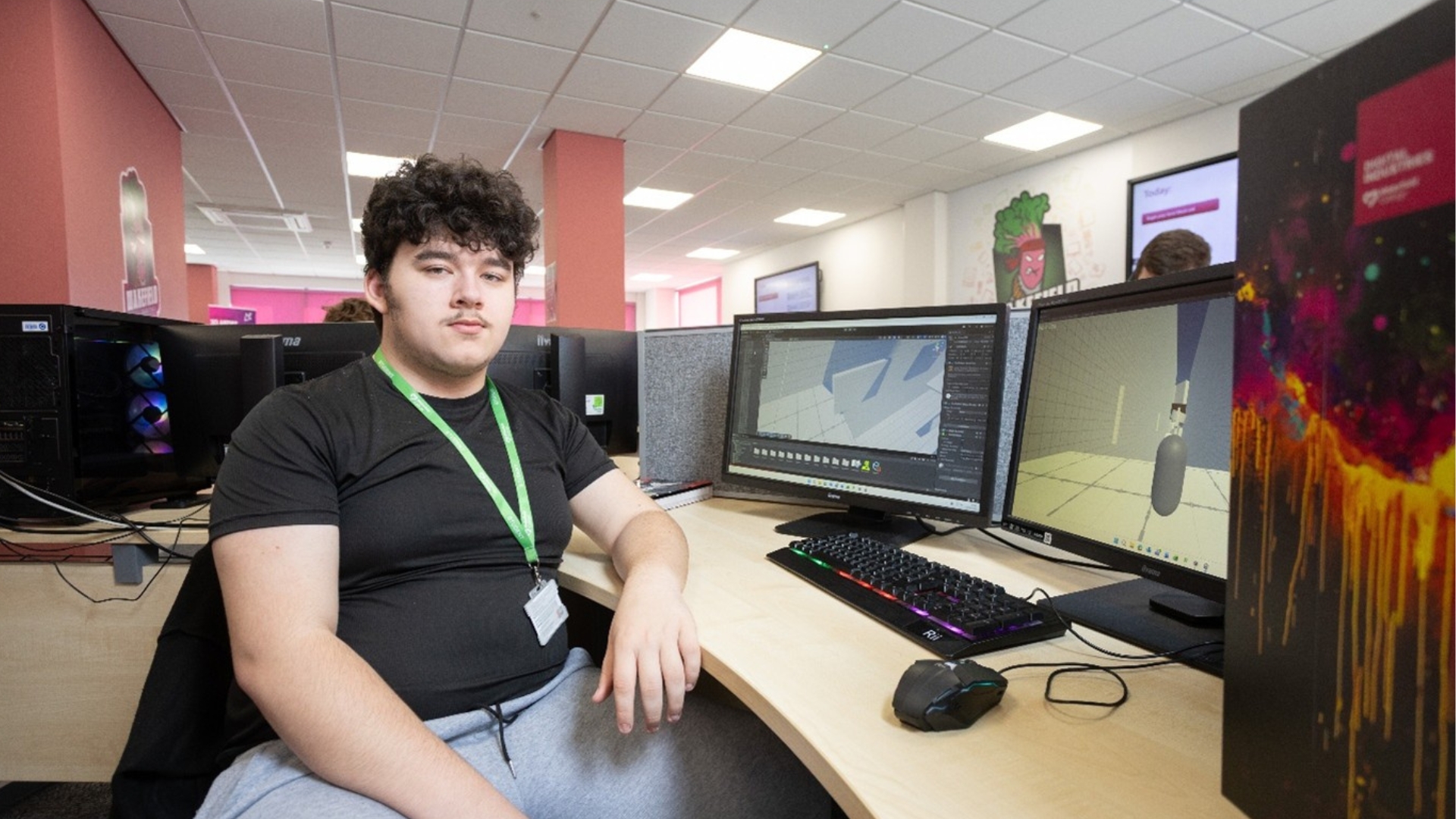
Students will learn from experienced industry professionals, work on real-world projects first-hand and build a portfolio of work they can use to showcase their skills to potential employers. Most importantly, they will be able to gain the skills and experience they need to succeed in the industry.
By the end of the courses, students will have produced a portfolio of working game prototypes alongside a solid understanding of the game publishing landscape - placing them in a strong position to progress into further study or pursue a career within the games industry.
Find out more about our Digital Industries Department, here.